Weather Alert in Colorado
High Wind Warning issued February 18 at 10:54AM MST until February 18 at 7:00PM MST by NWS Pueblo CO
AREAS AFFECTED: Del Norte Vicinity/Northern San Luis Valley Below 8500 Ft; Alamosa Vicinity/Central San Luis Valley Below 8500 Ft; Southern San Luis Valley; Western/Central Fremont County Below 8500 Ft; Canon City Vicinity/Eastern Fremont County; Pueblo Vicinity/Pueblo County Below 6300 Feet
DESCRIPTION: * WHAT...Southwest winds 30 to 40 mph with gusts up to 65 mph. * WHERE...San Luis Valley, Pueblo, Southern and Eastern Fremont County. * WHEN...Until 7 PM MST this evening. * IMPACTS...Damaging winds may blow down trees and power lines. Power outages are possible. Travel will be difficult, especially for high profile vehicles. * ADDITIONAL DETAILS...Areas of blowing dust may reduce visibility to under a mile at times, especially as showers roll off the mountains this afternoon.
INSTRUCTION: Remain in the lower levels of your home during the windstorm, and avoid windows. Watch for falling debris and tree limbs. Use caution if you must drive.
Want more detail? Get the Complete 7 Day and Night Detailed Forecast!
Current U.S. National Radar--Current
The Current National Weather Radar is shown below with a UTC Time (subtract 5 hours from UTC to get Eastern Time).

National Weather Forecast--Current
The Current National Weather Forecast and National Weather Map are shown below.

National Weather Forecast for Tomorrow
Tomorrow National Weather Forecast and Tomorrow National Weather Map are show below.

North America Water Vapor (Moisture)
This map shows recent moisture content over North America. Bright and colored areas show high moisture (ie, clouds); brown indicates very little moisture present; black indicates no moisture.

Weather Topic: What are Cumulonimbus Clouds?
Home - Education - Cloud Types - Cumulonimbus Clouds
 Next Topic: Cumulus Clouds
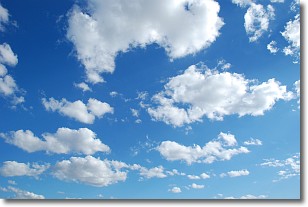
The final form taken by a growing cumulus cloud is the
cumulonimbus cloud, which is very tall and dense.
The tower of a cumulonimbus cloud can soar 23 km into the atmosphere, although
most commonly they stop growing at an altitude of 6 km.
Even small cumulonimbus clouds appear very large in comparison to other cloud types.
They can signal the approach of stormy weather, such as thunderstorms or blizzards.
Next Topic: Cumulus Clouds
Weather Topic: What is Drizzle?
Home - Education - Precipitation - Drizzle
 Next Topic: Evaporation
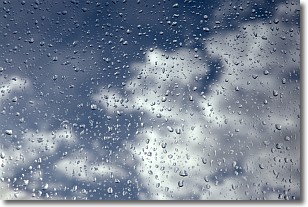
Drizzle is precipitation in the form of water droplets which are
smaller than raindrops.
Drizzle is characterized by fine, gently falling droplets and typically does not
impact human habitation in a negative way. The exception to this is freezing drizzle,
a condition where drizzle freezes immediately upon reaching earth's surface.
Freezing drizzle is still less dangerous than freezing rain, but can
potentially result in hazardous road conditions.
Next Topic: Evaporation
Current conditions powered by WeatherAPI.com